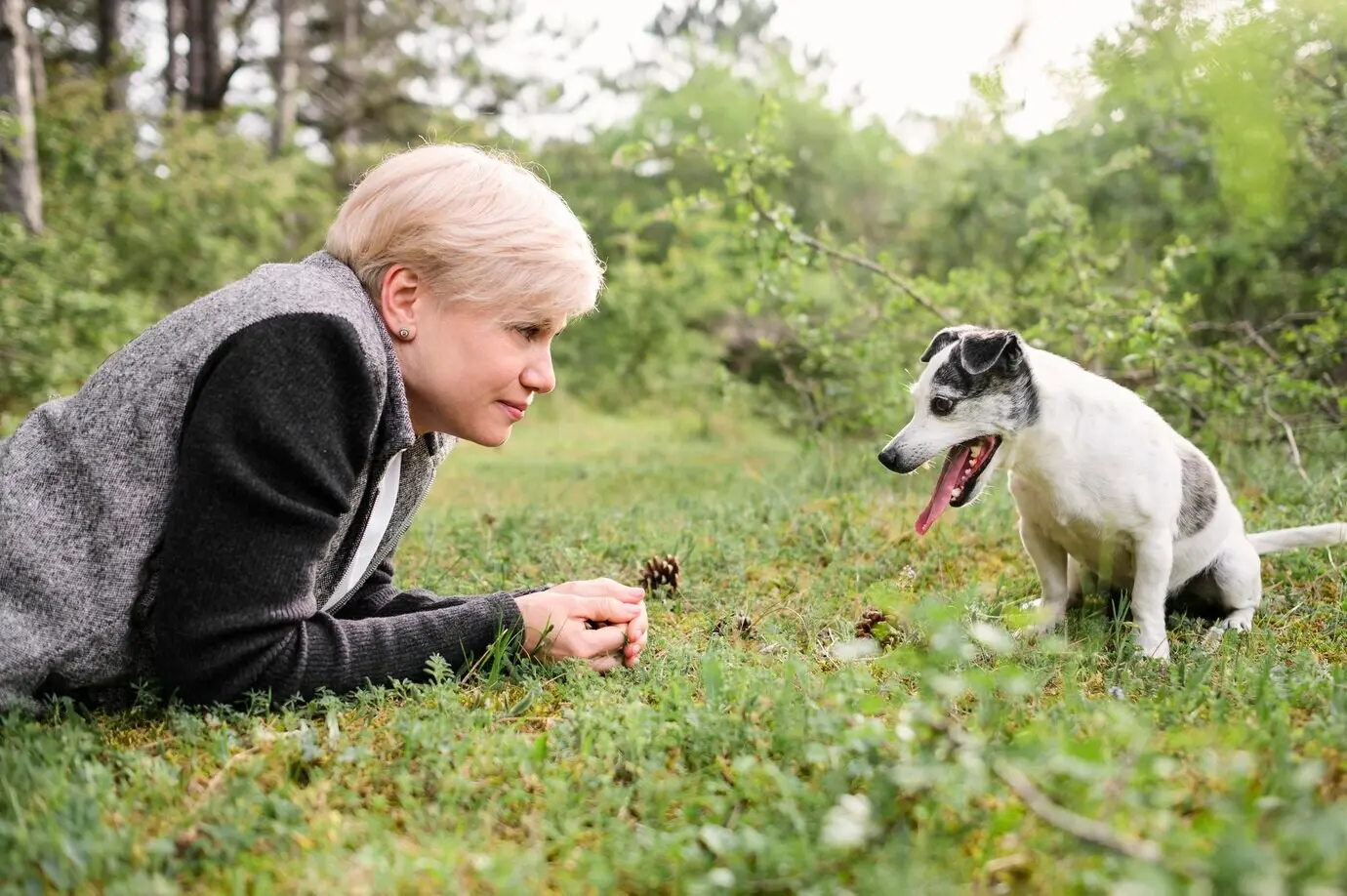

Stop Canine Boredom with a Joyful Weekly Enrichment Plan

Today we’re diving into creating a weekly enrichment schedule to prevent canine boredom, transforming ordinary days into thoughtful adventures that satisfy instincts, build confidence, and strengthen your bond. Expect practical routines, flexible ideas for busy calendars, and science-backed strategies that mix scent work, puzzles, training, social variety, and restful recovery into a balanced, sustainable rhythm your dog will love.

Know Your Dog’s Drives and Daily Rhythm

Before adding activities, learn what truly lights up your dog. Breed tendencies, age, health, and personal quirks reveal whether sniffing, chasing, solving problems, or cuddling brings the deepest satisfaction. A beagle may crave scent quests, while a collie thrives on precision tasks. By observing body language, recovery time, and enthusiasm arcs across the day, you’ll design a schedule that fits like a favorite harness.

Design the Week at a Glance

A strong weekly outline blends predictable anchors with rotating adventures. Think morning sniff walks, midday micro-games, and evening decompression, all adapted to your real life. Assign broad focuses across days without rigidly locking in identical tasks. Life happens, weather shifts, and energy varies. Build a flexible map that protects essentials, invites novelty, and keeps both of you eager for tomorrow.
Create dependable bookends that make the rest of the schedule easier. A brief morning sniffari sets a calm tone and ensures early success. An evening wind-down with scatter feeding or massage promotes deep sleep. These anchors reduce decision fatigue for you, teach your dog what to expect, and safeguard consistency even on days when everything else feels chaotic.
Prevent boredom by rotating mental, physical, and sensory challenges. Pair scent quests with puzzle meals one day, then balance movement skills with confidence-building tricks another. Keep intensity waves gentle, with harder sessions followed by quieter times. Variety strengthens resilience, keeps reinforcement meaningful, and reveals hidden talents. When activities rotate predictably, novelty stays exciting instead of overwhelming or random.
Busy schedule? Use micro-sessions. Five minutes of problem-solving can tire a mind better than a long, overstimulating outing. Plan short bursts before meetings, and longer enrichment on lighter days. Batch prep frozen food toys on weekends, keep a grab-and-go kit by the door, and celebrate small wins. Consistency across many tiny moments outperforms occasional epic marathons.

Daily Enrichment Types That Truly Tire

Dogs thrive when instincts are honored through scent, problem-solving, and purposeful movement. Instead of chasing endless fetch, diversify experiences that feed curiosity and build confidence. Scent work offers mental depth; puzzles sharpen persistence; movement with obstacles engages body and brain together. By mixing these thoughtfully throughout the week, you create satisfying fatigue that melts restlessness and reduces unwanted behaviors.

Scent Adventures

Turn walks into nose-led explorations. Slow down for sniffari routes, hide kibble in grass, or build simple indoor trails with tea bags, herbs, or favorite toys. Let your dog choose detours when safe. Scent work lowers pulse, increases autonomy, and creates meaningful fulfillment. Even ten minutes transforms mood, offering serenity that lingers long after the leash returns to its hook.

Problem-Solving Play

Offer puzzles that start easy and grow steadily challenging. Try towel burritos, muffin tin games, cardboard treasure boxes, or commercial toys with adjustable levels. Keep frustration low, wins frequent, and cues clear. Rotate puzzles weekly to guard novelty. Success builds resilience, while brief challenge windows strengthen focus. Supervise for safety, especially with cardboard, and celebrate clever breakthroughs with warm, generous rewards.

Movement with Purpose

Replace frantic sprints with thoughtful physical tasks. Use couch cushions as stepping stones, introduce cavaletti poles, practice careful ladder steps, or guide slow figure eights. Add pause boxes to settle between reps. These activities nurture body awareness and coordination, train impulse control, and reduce repetitive strain. Purposeful movement builds confident athletes, regardless of age or size, and beautifully complements calmer brain work.

Training Games That Spark Joy

Training is enrichment when it reinforces agency, clarity, and choice. Keep sessions short, upbeat, and highly reinforced. Use marker training, break complex behaviors into simple slices, and end while your dog still wants more. Interleave active moments with calm stationing, then finish with a sniff reset. Joyful training turns everyday life into a conversation where curiosity is welcomed and celebrated.

Thoughtful Playdates

Match dogs by energy, size, and play style, then set a rhythm of sniffs, play, and breaks. Observe consent signals: loose bodies, balanced chasing, shared pauses. Keep sessions brief and end on a good moment. Thoughtful playdates teach communication, drain energy without chaos, and can be more restorative than crowded dog parks, which often flood arousal beyond comfortable thresholds.

Field Trips that Build Bravery

Explore low-key spaces like hardware aisles, library courtyards, or quiet outdoor cafes. Bring high-value treats, keep distance from startling triggers, and reward checking in. Allow sniffing time to decode new smells. Watch for soft eyes, relaxed mouths, and easy movement. These gentle experiences layer confidence, teaching your dog the world is navigable, interesting, and full of safe choices.

Home Makeover Moments

Rearrange enrichment zones to refresh curiosity. Rotate toy baskets, swap scents with dried herbs, add window perches, or build a cozy hideaway. Introduce texture boards and safe novel items like rolled yoga mats. Changing the landscape inside your home keeps enrichment flowing even during bad weather, busy weeks, or recovery periods when outdoor adventures must be limited for comfort.


Rest, Recovery, and Calm

Simple Tracking System

Use a weekly grid listing days, morning, midday, and evening slots. Jot activity type, duration, mood, and recovery. Add a quick body check: paws, coat, appetite, stool quality. Color-code intensity to spot patterns. This lightweight process reveals where to raise challenges, where to rest more, and how to tailor future weeks with confidence rather than guesswork or guilt.

Reading Signs to Tweak

Watch for overarousal: difficulty settling, endless scanning, or frenetic play. Under-stimulation may look like mischief or repetitive pestering. Adjust by shortening sessions, adding sniff resets, or changing reinforcers. Swap busy parks for quiet trails, puzzles for scent. If concerns persist, consult a qualified trainer or veterinarian. Responsive schedules keep wellbeing front and center every single day.
Xomaxoleruzixavizana
Privacy Overview

This website uses cookies so that we can provide you with the best user experience possible. Cookie information is stored in your browser and performs functions such as recognising you when you return to our website and helping our team to understand which sections of the website you find most interesting and useful.