Big Joy in Small Spaces: Enriching Your Apartment Dog’s Day

Today we dive into enrichment ideas for apartment-dwelling dogs with limited space, transforming hallways, corners, and coffee-table clearings into meaningful adventures. With creative scent games, micro-training, thoughtful layouts, and calmness rituals, you can nurture curiosity, confidence, fitness, and a deeper bond, even when square footage is tight. Expect practical tips, heartwarming stories, and doable routines designed to fit your schedule, your home, and your dog’s unique personality and needs.

Scent Adventures That Fit Between the Sofa and the Door
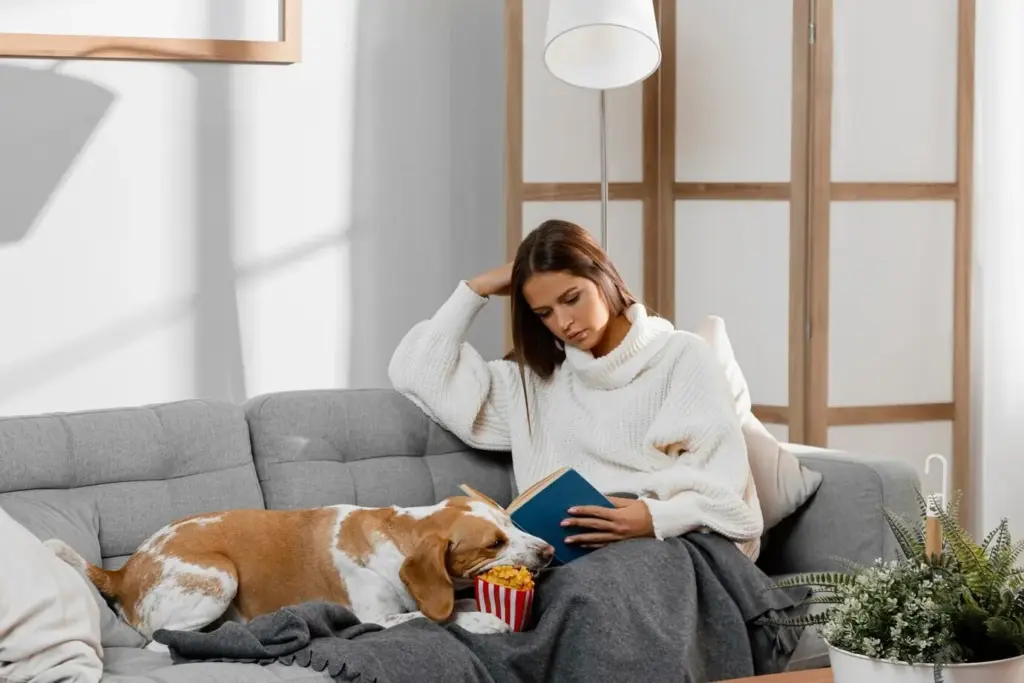
A dog’s nose is a supercomputer, and you can fuel it without rearranging your entire apartment. Simple hide-and-seek with dry treats, layered scent trails, and snuffle surfaces turn routine meals into exploration. One foster beagle, Olive, settled faster when given five-minute searches before naps. Start easy, celebrate generously, then slowly increase difficulty. Share your most surprising indoor sniff setup with us, because your small-space breakthroughs inspire the entire community to keep experimenting.

Mealtime Magic: Puzzles, Chews, and Slow Satisfaction

Feeding time can be a boredom buster disguised as routine. Rotate puzzle feeders, snuffle mats, and lickable surfaces to deliver variety without extra clutter. Short sessions satisfy natural foraging needs and encourage calmer behavior afterward. One senior terrier named Miso stopped pacing after swapping her bowl for a simple towel roll. Keep noise low for neighbor harmony, supervise chewing, and note which textures your dog prefers. Comment with your top two mealtime tools for fresh ideas.

Micro-Training Moments That Burn Mental Energy

Three to five minutes of focused learning can equal a brisk walk in mental payoff. Stack simple tricks like spin, hand target, and bow, then vary sequences to keep minds sharp. Reinforce generously, end while enthusiasm is high, and celebrate progress rather than perfection. A rescue mix named Clover learned to tidy toys in short sessions, boosting confidence and indoor politeness. Drop your favorite quick-win behaviors below so fellow readers can borrow your best combinations.

Three-Minute Trick Stacks

Set a timer and pick three behaviors your dog reliably offers. Chain them in new orders, shifting positions between kitchen, hallway, and living room to generalize skills. If focus dips, split tasks into smaller pieces and provide easier wins. Use soft, silent treats to minimize noise. End with a stationary behavior like a sustained chin rest. Report your most satisfying micro-stack in the comments, including one adjustment that transformed confusion into clarity for your partner.

Impulse Control Games Made Playful

Turn manners into a game by presenting an open hand full of treats and reinforcing your dog for choosing stillness rather than grabbing. Progress by placing a treat on the floor and releasing with permission. Pair with toy play, rewarding calm sits before tug or fetch. Keep criteria fair, avoid scolding, and emphasize choices that feel successful. Share how these games spill into daily life, from elevator waits to gentle greetings, empowering other apartment families.
Designing Vertical and Modular Play Zones

You do not need a yard to create movement opportunities. Use low platforms, sturdy ottomans, and step-stools to encourage gentle climbs, pivots, and pauses. Lay rugs for traction, tape cavaletti markers for careful footwork, and keep pathways uncluttered. Rotate pieces weekly to refresh curiosity without buying more. One shy pup, Nova, blossomed after mastering a two-step perch routine. Show us your layout sketch or photo, describing what changed in your dog’s posture, balance, and confidence.

Perch, Park, and Pivot Stations

Create a triangle of stations: a mat to park, a low platform to perch, and a target book to pivot hindlegs around. Move slowly, rewarding balanced weight shifts and calm transitions. Keep heights conservative to protect joints, especially for growing or senior dogs. Rotate the station order and room locations to generalize skills. Share your dog’s favorite station and why it seems empowering, helping other readers design thoughtful, confidence-building courses in surprisingly small living rooms.

Tug Anchors and Soft Boundaries

Tug can be thrilling and quiet when anchored to rules. Use a soft fleece toy, start with a polite take, pause frequently for easy outs, and restart on cue. Play over rubber flooring or area rugs to reduce slipping. Use furniture lines as boundaries, keeping movement controlled and neighbors undisturbed. Reinforce eye contact breaks and gentle returns. Post your tug rules and one victory story—perhaps a calmer post-play nap or improved responsiveness—to guide newcomers toward joyful, safe games.

Calm Hearts: Relaxation, Confidence, and Alone‑Time Skills

Rest is a skill worth training. Teach a cozy mat cue, pair it with soothing routines, and build gentle independence through predictable departures and returns. White noise, dim lights, and pheromone diffusers can help sensitive dogs decompress. One anxious companion, Luna, learned to exhale on cue after repeated micro-sessions, transforming evenings. Track signs of relaxation like loose ears and steady breathing. Share your pre-nap ritual or alone-time progression to support others navigating apartment life with sensitive pets.

Community, Variety, and Safe Social Outlets

Even when square footage is scarce, variety lives outside your door. Swap puzzles with friends, explore new stairwells, practice elevator manners, and prioritize sniff time over mileage. Create a mini social circle with parallel walks instead of direct greetings. Apartment communities thrive on shared wisdom, so your feedback matters. Subscribe for future ideas, post your favorite small-win story, and invite a neighbor to join. Together we can keep tails wagging and hearts relaxed, floor by floor.
Xomaxoleruzixavizana
Privacy Overview

This website uses cookies so that we can provide you with the best user experience possible. Cookie information is stored in your browser and performs functions such as recognising you when you return to our website and helping our team to understand which sections of the website you find most interesting and useful.